UK Online Casino Sector Reports Fewer New Operator Entries Following 2026 Remote Gaming Duty Rise
Written by Ellis Krause · Oct 14, 2026

UK Online Casino Sector Reports Fewer New Operator Entries Following 2026 Remote Gaming Duty Rise
Duty Increase Takes Effect in April
The Remote Gaming Duty rose from 21% to 40% on 1 April 2026 as part of broader tax adjustments projected to generate more than £1 billion annually for the Treasury, and data from October 2026 shows this shift coincided with a noticeable reduction in new UK online casino launches. Comparison platforms tracking the market recorded only two genuine new entries by that point in the year, with the most recent appearing in May, while the majority of apparent newcomers consisted of re-skins or additional domains operating under licences already held by established operators.
Those monitoring the sector note that the higher duty rate altered cost structures for prospective entrants, and figures indicate operators responded by limiting expansion plans rather than introducing entirely fresh brands. The pattern emerged steadily after the April implementation, with launch activity remaining subdued through the summer months and into autumn.
Market Data Reveals Limited Activity
Leading comparison sites tracking UK-licensed operators reported minimal movement in their new listings during 2026, and records show the two documented launches represented the lowest volume observed in recent years. Most activity instead involved extensions of existing licences, allowing companies to test additional domains or rebranded interfaces without incurring the full overhead of a standalone operation. Observers tracking these trends point out that such re-skin approaches require less capital outlay while still complying with Gambling Commission oversight.
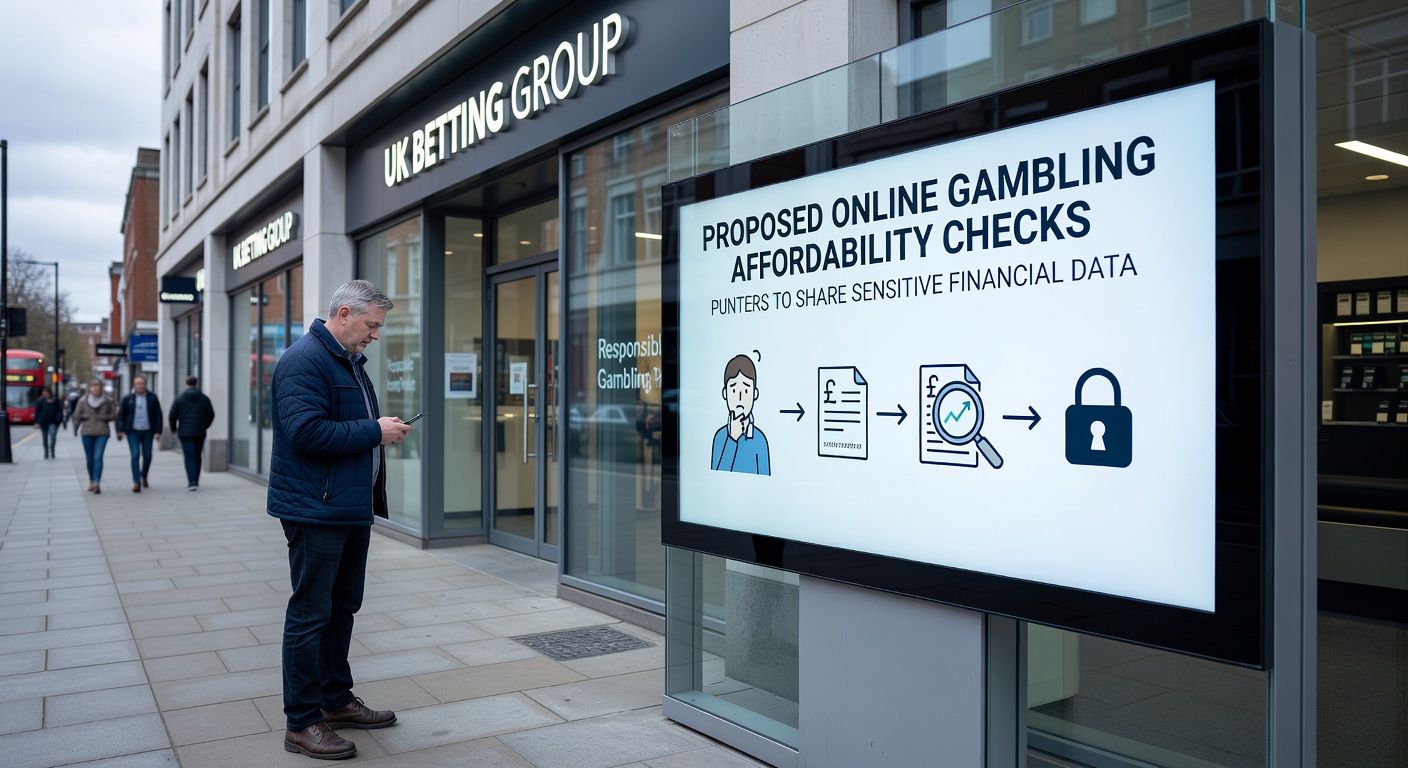
By October 2026 the absence of an expected autumn surge had become clear, and industry records confirm that no additional operators had entered the market since the May listing. This outcome contrasted with previous periods when duty changes were smaller and launch volumes tended to recover more quickly. The data highlights how the near-doubling of the rate created a higher barrier that few new entities chose to cross in the immediate aftermath.
Additional Regulatory Factors Influence Decisions
Tighter rules on bonuses introduced by the Gambling Commission in January 2026 added another layer of consideration for operators, and these measures restricted certain promotional structures that previously helped attract players during launch phases. Companies evaluating entry therefore faced both elevated tax obligations and narrower marketing options at the same time. The combined effect appears in the reduced number of fresh applications recorded through the first nine months of the year.
Uncertainty surrounding potential adjustments to Machine Games Duty in the upcoming Budget further contributed to the cautious stance, and analysts tracking licence applications noted that several prospective operators delayed or scaled back plans while awaiting clarity. The Treasury's earlier announcement of the Remote Gaming Duty change already formed part of a wider package of changes to gambling duties, and market participants continued to assess how further modifications might affect long-term viability.
Operator Strategies Shift Toward Existing Licences
Instead of pursuing new licences, several established groups focused resources on maximising value from licences already in place, and this approach allowed them to introduce variations of familiar brands with lower compliance costs. Records from October 2026 show that such extensions accounted for the bulk of visible market activity, while truly independent entrants remained scarce. The strategy reflects how operators adapted to the higher duty environment by leveraging infrastructure already approved by regulators.
Comparison sites updated their databases accordingly, and listings that appeared new often linked back to parent companies with long-standing UK operations. This consolidation reduced the count of distinct new entities reaching players during the year, and the trend persisted without reversal through the autumn period.
Conclusion
The combination of the April 2026 duty increase, January bonus restrictions, and pending Budget decisions produced a measurable slowdown in fresh UK online casino launches, and records compiled by October confirm only two qualifying entries for the year to date. Most observed activity involved reconfigurations of existing licences rather than new market participants. These developments illustrate how tax and regulatory adjustments can reshape entry patterns within a single calendar year, with data continuing to reflect the effects of the 40% rate through the final quarter.