RNG Calibration Patterns and Redemption Dynamics in Online Table Games
Written by Harper Richter · Oct 28, 2026
RNG Calibration Patterns and Redemption Dynamics in Online Table Games
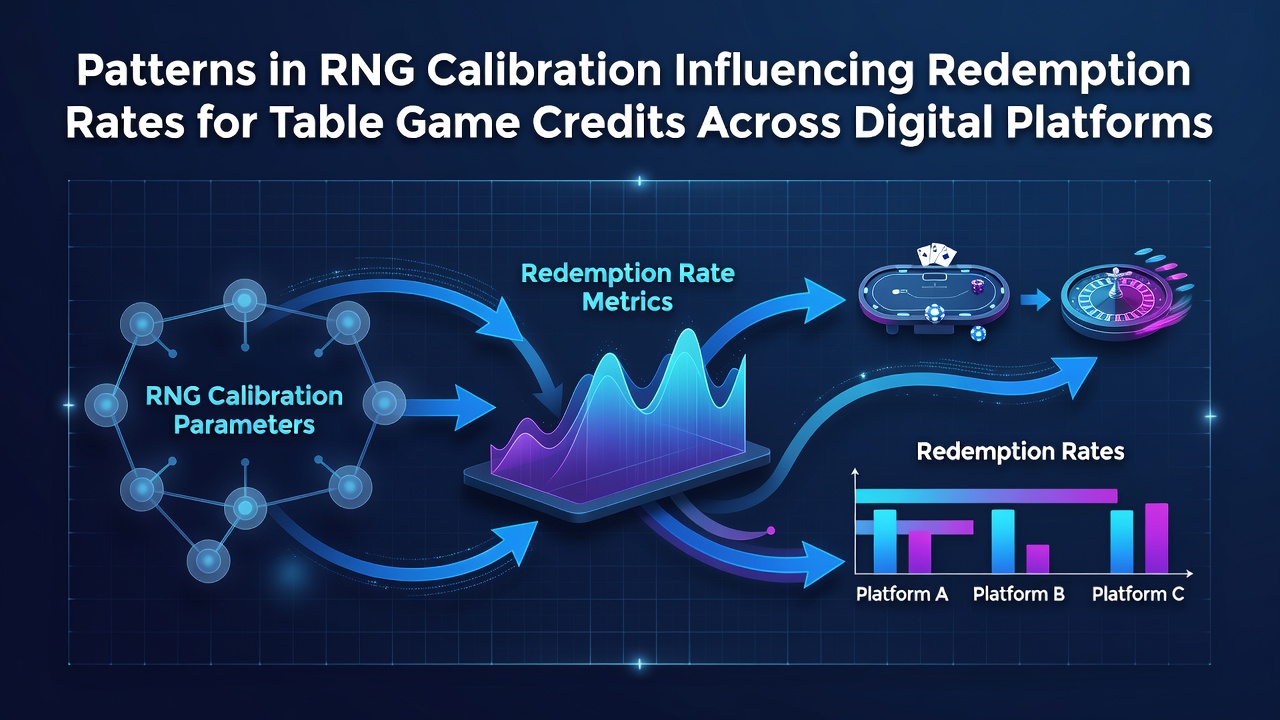
Digital platforms that host table games rely on random number generators to determine outcomes, and calibration adjustments in those systems have produced measurable shifts in how players redeem accumulated credits. Researchers tracking platform data across multiple jurisdictions report that small changes in RNG parameters often correlate with variations in redemption frequency and volume, particularly in games such as blackjack, roulette, and baccarat offered through mobile and desktop applications.
Calibration refers to the precise tuning of probability distributions, payout frequencies, and volatility settings within the RNG software. Operators adjust these settings to meet regulatory requirements while maintaining target house edges, and analysts have documented several recurring patterns when those adjustments occur at scale.
Observed Calibration Patterns Across Platforms
Studies compiled by independent testing laboratories show that platforms which increase the frequency of mid-range payouts tend to see higher short-term credit accumulation followed by elevated redemption requests within the same session. Conversely, configurations that favor longer dry spells before larger returns often delay redemptions as players continue to chase returns. Data collected through the fourth quarter of 2025 and into October 2026 indicates these patterns hold across both established operators and newer market entrants.
One recurring pattern involves the recalibration of reel or wheel weighting to align with seasonal traffic spikes. Platforms that implemented such changes ahead of major sporting events recorded redemption rates that rose between 12 and 18 percent compared with baseline periods, according to aggregated reports from testing firms. Another pattern emerges when operators tighten variance settings to reduce extreme swings; those modifications frequently produce steadier credit balances that players convert to cash at more predictable intervals.
Measuring Redemption Rate Shifts
Redemption rates serve as a key performance indicator for digital table game operators because they reflect both player satisfaction and platform liquidity management. When RNG calibration favors frequent small wins, credit balances fragment into smaller denominations that players redeem more readily, which increases transaction processing loads. Platforms that favor infrequent larger wins observe longer holding periods before redemptions, although total redeemed amounts may remain comparable.
Industry reports from the Nevada Gaming Control Board highlight how calibration changes implemented in licensed interactive systems produced redemption volume increases of up to 23 percent during controlled testing windows. Similar observations appear in data shared by Australian regulatory bodies monitoring remote gambling operators, where adjustments to blackjack RNG parameters coincided with a 15 percent lift in same-day redemptions during monitored periods.
Platform Comparisons and Regional Variations
European operators using unified RNG certification standards demonstrate tighter clustering of redemption behaviors across different table game titles, whereas North American and Asian platforms exhibit wider dispersion depending on local licensing rules. Analysts attribute part of this difference to the frequency of mandatory RNG audits, which force periodic recalibrations that reset player expectation curves.
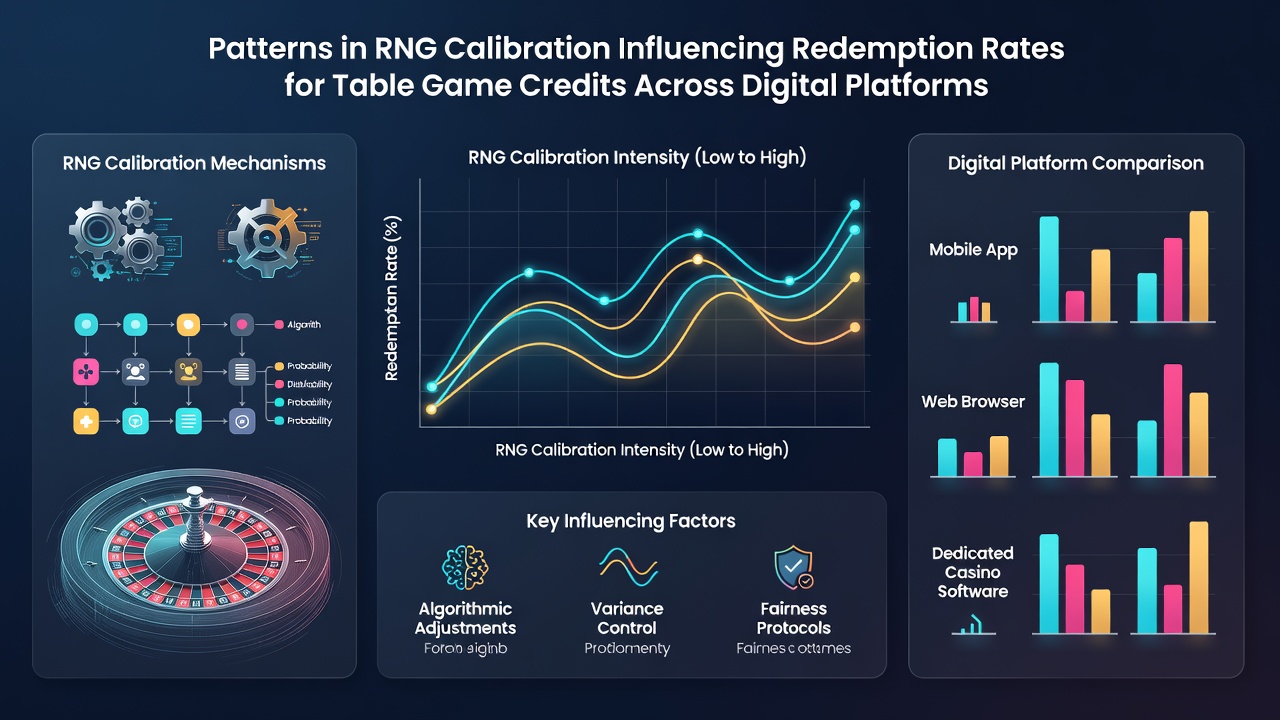
Take one operator group that standardized its RNG seed generation across three separate platforms in early 2026. Redemption patterns converged within four weeks, with previously divergent rates moving to within three percentage points of each other. Observers tracking these changes noted that players responded to the new consistency by adjusting their session lengths and redemption timing rather than abandoning the games.
Technical Factors Driving the Patterns
Seed generation methods, distribution algorithms, and payout table weighting all contribute to the observed effects. When platforms switch from pseudo-random to certified true random sources or modify the entropy collection process, the resulting credit flow changes can alter redemption velocity. Research published through academic channels such as the University of Nevada gaming studies program has examined how these technical shifts influence player decision points during live sessions.
Additional variables include the timing of calibration updates relative to player login cycles and the visibility of new settings through in-game information panels. Platforms that announce calibration changes transparently tend to record smoother transitions in redemption behavior, while silent updates sometimes trigger short-term spikes in both play volume and cash-out requests.
Conclusion
Patterns linking RNG calibration adjustments to redemption rate movements continue to emerge as more platforms adopt real-time analytics. Operators and regulators monitoring these dynamics through October 2026 and beyond rely on standardized testing protocols and cross-platform data sharing to identify consistent relationships. The evidence accumulated so far demonstrates that calibration decisions produce predictable, measurable effects on how table game credits move from virtual balances to actual redemptions across digital environments.