Evolving Bankroll Strategies Through Cashback in Digital Roulette Platforms
Written by Harper Richter · Sep 16, 2026
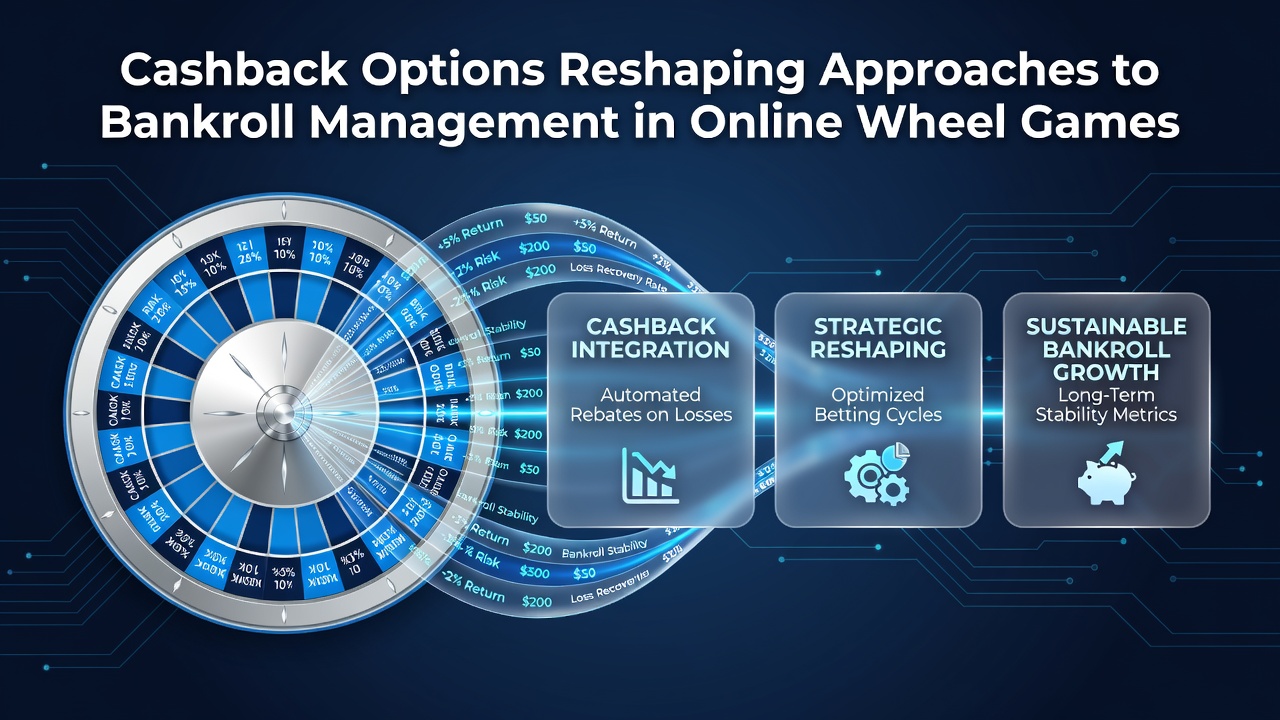
Evolving Bankroll Strategies Through Cashback in Digital Roulette Platforms
Online wheel games such as roulette have incorporated cashback programs that return a percentage of net losses to player accounts, and these mechanisms now intersect directly with how participants allocate funds across sessions. Data from industry reports shows operators in multiple jurisdictions have expanded loss-recovery options since 2024, with participation rates climbing in remote formats. Observers note that cashback structures often operate on a tiered basis where players receive between 5 and 20 percent back on qualifying losses, deposited automatically at the end of a defined period.
Mechanics of Cashback Integration
Cashback calculations typically exclude bonus funds and focus on real-money wagers, while minimum thresholds and game-weighting rules determine eligibility. Researchers at academic institutions have documented that these programs reduce the effective house edge when applied consistently, because returned amounts offset a portion of the expected value loss over time. In September 2026, several platforms adjusted their formulas to include live dealer wheels alongside RNG variants, aligning with broader regulatory updates in North American and European markets.
Players encounter cashback through loyalty tiers that unlock higher percentages after meeting volume requirements, and the returned balance usually carries standard wagering conditions before withdrawal. Figures from the Nevada Gaming Control Board indicate that cashback redemptions in digital table offerings grew 14 percent year-over-year through mid-2025, reflecting increased player retention metrics.
Adjustments to Session Planning
Bankroll allocation changes when cashback becomes a predictable component rather than an occasional promotion. Instead of treating every loss as permanent, participants often reserve a segment of their total funds for extended play that triggers recovery payouts. This approach allows longer sessions without immediate depletion, because the returned portion replenishes the available balance for subsequent bets.
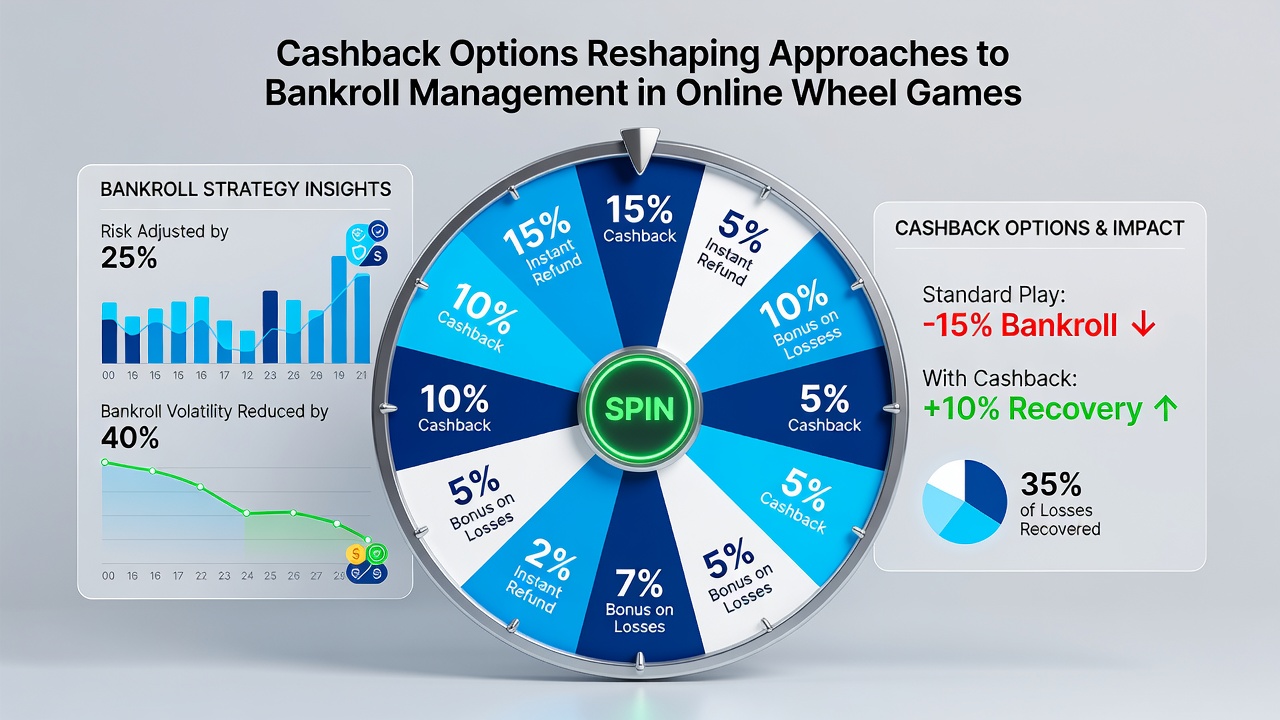
Those who study player behavior report that individuals divide their bankroll into primary stakes and a secondary reserve intended to absorb variance until cashback activates. The strategy shifts emphasis from short-term win targets toward maintaining sufficient activity levels to qualify for returns. One documented case involved operators tracking aggregate loss data across thousands of accounts, revealing that users who activated cashback maintained average session lengths 22 percent longer than non-participants.
Comparative Data Across Markets
European operators outside the United Kingdom have implemented cashback at different rates than North American counterparts, with some Australian platforms tying recovery percentages to responsible gambling metrics tracked by state regulators. A study released by the University of Sydney's gambling research unit found that players utilizing cashback reduced the frequency of rapid deposit top-ups by approximately 18 percent compared with control groups. These patterns emerge because returned funds arrive directly in the account, smoothing out expenditure curves over weekly or monthly cycles.
Industry associations such as the European Gaming and Betting Association have compiled statistics showing cashback participation correlates with lower average bet sizes per spin, as participants spread risk across more rounds to maximize recovery eligibility. The same reports note that wheel games benefit particularly from this model because of their transparent loss tracking and fixed payout structures, which simplify automated calculations.
Practical Examples in Operation
Take one platform that introduced weekly cashback on roulette losses above a set threshold. Participants who maintained consistent play through the week received their percentage back on the following Monday, and many redistributed that amount into the next cycle rather than withdrawing. Another operator in a Canadian province linked cashback levels to verified account activity, resulting in documented increases in average daily handle without corresponding rises in problem gambling flags according to provincial oversight data.
These examples illustrate how cashback functions as an embedded risk-management tool rather than a standalone bonus. Players adjust their total exposure by factoring expected returns into initial allocations, creating a feedback loop where loss mitigation influences betting patterns in real time.
Conclusion
Cashback programs continue to reshape how bankrolls are managed in online wheel environments by converting a share of losses into reusable funds. Available data from regulatory bodies and academic sources demonstrates measurable effects on session duration and deposit frequency. As platforms refine these systems through 2026 and beyond, the integration with standard bankroll practices remains a key area of operational focus across multiple jurisdictions.